June 30, 2026
A home provides shelter, and the roof serves as the primary barrier against outside elements. Year after year, this structure withstands sunlight, heavy rain, snow, and winds. These factors break down roofing materials over time. Maintenance extends the usable life, but no structure lasts forever. Every homeowner will face a full replacement project at some point. Waiting too long leads to severe damage inside the house. Recognizing warning signs protects your property and keeps your living space dry.
Understanding these signs gives you time to plan a budget and hire professionals. Roof replacement involves a complex process demanding heavy equipment, specialized skills, and strict safety standards. Working on a steep incline presents hazards, making this a project for an experienced roofing company. Explore some of the main indicators that it's time to call a contractor for a new roof.
Your Roof Is Nearing the End of Its Lifespan
The lifespan of any roof depends on the materials used during the original installation. In our experience as an experienced roofing company, asphalt shingles are a frequent choice across the country, lasting for 20 to 25 years, on average. If current shingles were put in place over two decades ago, they're approaching the end of their design life. Even if the surface appears intact from the street, underlying layers break down as years pass. Heat and moisture degrade the structural integrity of shingles over time.
Different roofing materials provide longer or shorter timelines for replacement. According to This Old House, metal roofing has an average lifespan of 40 to 70 years. Slate and clay tile installations offer longer periods of protection before requiring a full replacement. Homeowners who purchase older houses often lack the exact installation date of the structure. Locating original building permits or reviewing previous property inspection reports helps establish a timeline. Without documentation, guessing the age leaves the home vulnerable to unexpected leaks.
When paperwork is unavailable, a professional inspection remains the safest method to determine the age of the system. Roofing contractors identify wear patterns indicating the true age of the components. They assess the flexibility of the shingles and examine the condition of the felt underlayment. Aging materials become brittle and lose their ability to shed rainwater. Monitoring the structure gives a homeowner a predictable schedule for hiring a professional team to install a replacement.
You Spot Visible Shingle Damage and Wear
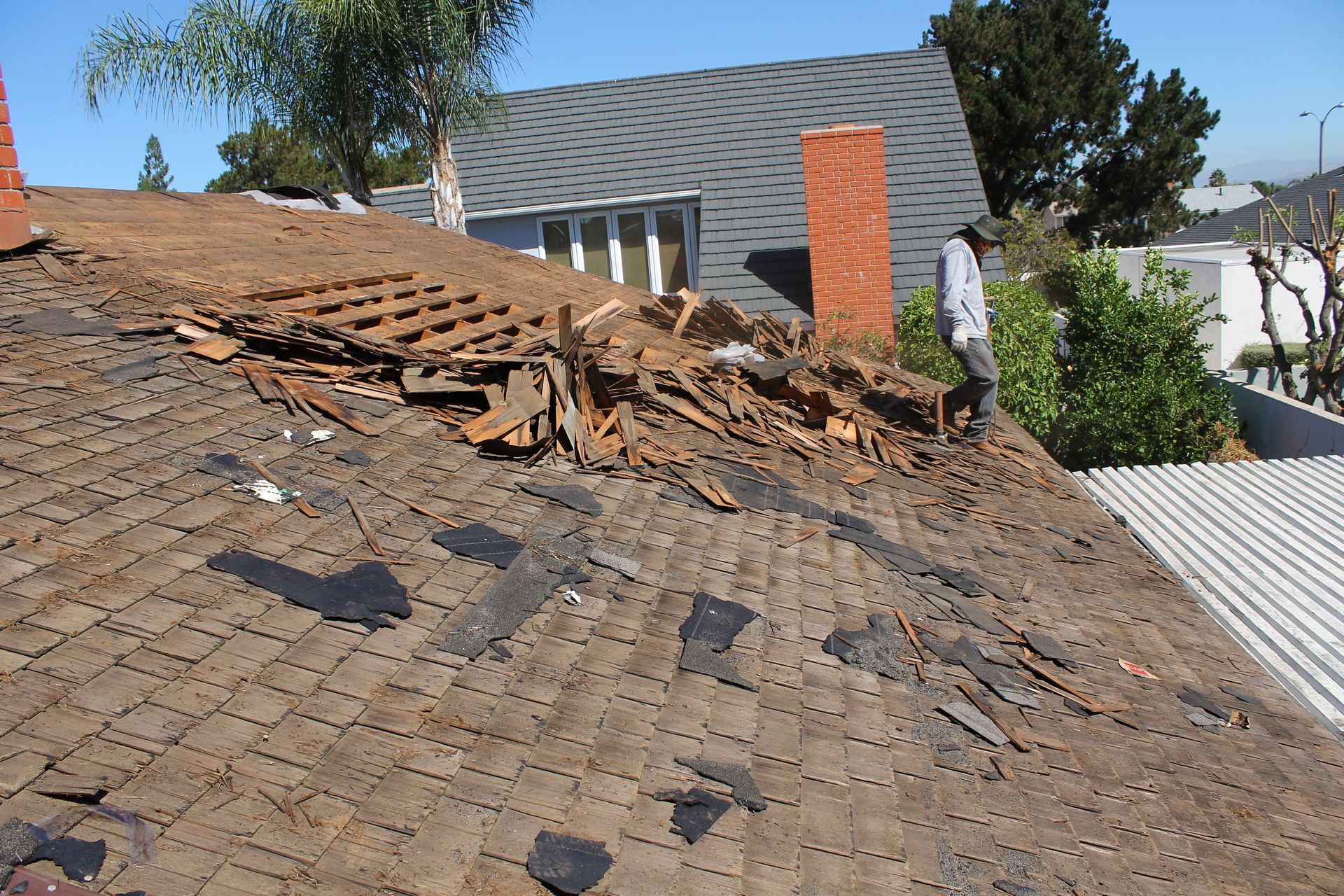
Signs of physical wear become visible from the ground as materials degrade. Shingles must lie flat against the wooden decking to function as intended. When edges curl upward or middle sections buckle, the material is failing. Curled edges expose the vulnerable underlayment to wind and moisture. High winds catch lifted edges and tear shingles off the house. Missing shingles act as a red flag, indicating the system requires the attention of a professional roofing company.
When a patch of shingles goes missing, rainwater flows straight into lower layers of the system. While a contractor can patch a single piece, multiple bare spots mean the system is compromised. Asphalt shingles feature a top layer of coarse granules protecting the base from ultraviolet light. As materials age, they shed these granules. Finding a layer of sand-like material at the bottom of downspouts indicates the protective layer has eroded.
Without protective granules, the sun bakes the exposed asphalt until it cracks and splits. Dark streaks or bare spots also point to severe wear. While algae can cause some dark streaks, substantial discoloration means the material has lost its defensive coating. Homeowners must avoid climbing ladders to check the damage. Walking on a damaged surface presents a fall hazard. Professional contractors possess proper fall-protection gear to evaluate shingle damage without risking injury or causing harm.
You Find Interior Water Leaks or Moisture
Indicators of a failing roof often appear inside the house. The attic serves as the primary barrier space between living areas and exterior elements. A professional inspection of the attic reveals critical clues about the health of the structure. If beams of sunlight shine through the roof boards into the attic, the exterior barrier has gaps. Where light enters, water follows. Roofers look for dark water stains across the wooden decking to identify moisture intrusion.
Moisture creates streaks and damp spots on wood that remain long after a rainstorm. If attic insulation feels damp or looks compressed, water is leaking into the space. Constant moisture rots the wooden framework and compromises structural stability. This water damage moves down into the main living areas over time. Homeowners might notice brown rings or bubbling paint on ceilings and interior walls. By the time rainwater reaches the living room, the barrier has failed.
Peeling paint around ceiling fans or overhead light fixtures requires attention from a roofing company to prevent structural decay. Ignoring interior leaks leads to mold and mildew growth. Mold spreads through damp wood and insulation, creating health concerns for the household. A small drip masks a widespread failure above the ceiling. Patching the interior drywall doesn't solve the root of the problem. Hiring a contractor to install a watertight exterior barrier is the permanent solution.
You Notice Exterior Flashing Failure and Decay
Flashing is the metal material used to seal joints and seams where the roof meets other structures. These materials surround chimneys, skylights, vents, and valleys where two roof slopes intersect. These intersections are vulnerable to water intrusion. Flashing forces water away from these seams and directs it down toward the gutters. Older building methods relied on roof cement or tar to seal these seams. Exposure to extreme temperatures causes tar and cement to dry out, crack, and crumble.
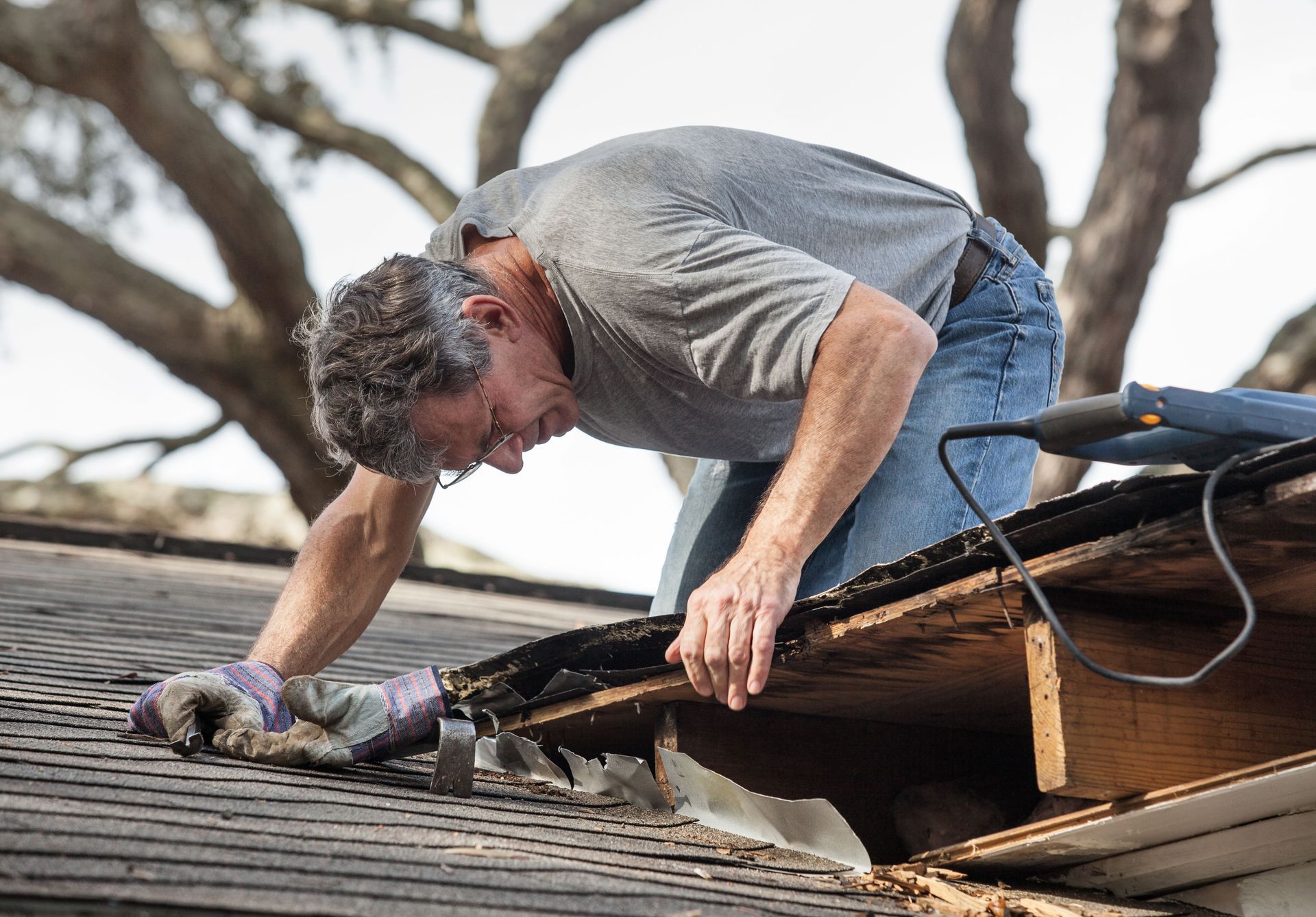
Once the tar seal breaks, rainwater seeps behind the structure and into the house. Contractors must strip away degraded materials and install metal solutions to restore the watertight seal. Even older metal flashing deteriorates over time. Rust eats through metal, creating tiny holes letting moisture inside the attic. High winds pry metal edges away from the chimney or vent pipe. If flashing lifts or bends, it becomes useless and leaves the home vulnerable to rain.
Repairing a single piece of flashing is an option in some scenarios, but widespread decay signifies the system has reached its limit. A full replacement ensures every seam gets sealed with durable materials. Expert installers make sure these crucial weak points remain watertight for decades. Attempting to seal these areas with caulking provides a short-term patch rather than a permanent fix. A licensed roofing company assesses the flashing and recommends a full replacement when components show signs of failure.
A roof operates as a complex system of materials, underlayment, ventilation, and flashing. When one component fails, the structure suffers. Rebuilding this system is a massive job demanding precision, experience, and safety equipment. Homeowners shouldn't attempt to repair or replace materials on their own. Relying on seasoned professionals ensures the job meets building codes and manufacturer specifications. A licensed contractor evaluates the structure to identify unseen issues.
Recognizing these four warning signs allows you to act before damage compromises the rest of your home. Whether you spot curled shingles from the driveway or notice dark stains on a ceiling, taking action is essential. Reach out to our qualified roofing company at Blue Lake Roofing & Remodeling, LLC to schedule a comprehensive inspection. We'll assess the situation, explain your options, and help you choose materials to protect your property. A new installation offers peace of mind and keeps your home secure for decades.