July 6, 2026
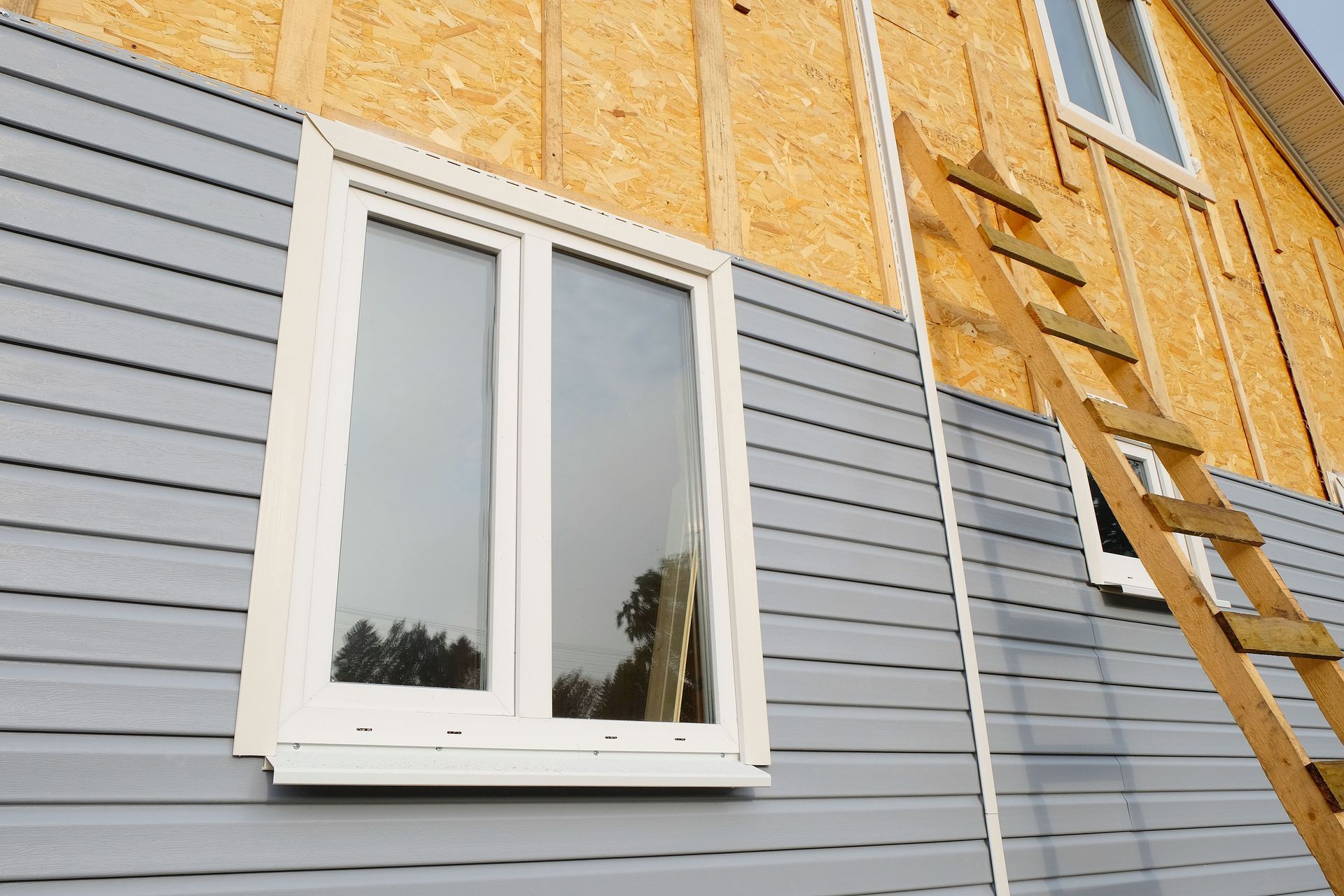
Your home’s siding serves as one of its most important protective barriers. While many homeowners think of siding primarily as an exterior design feature, it plays a critical role in shielding the home from moisture, wind, pests, and temperature fluctuations. Quality siding helps maintain energy efficiency, protects structural components, and contributes significantly to curb appeal. Like any exterior building material, however, siding does not last forever. Over time, exposure to the elements can cause deterioration that affects both appearance and performance.
Recognizing the warning signs of failing siding can help homeowners address issues before they lead to more extensive and expensive repairs. Whether the problem is visible damage, moisture intrusion, increased maintenance demands, or declining energy efficiency, replacing siding at the right time can protect your investment and improve your home’s value. If you notice any of the following issues, it may be worth consulting a local roofer to evaluate the condition of your home’s exterior and determine whether replacement is the best solution.
Watching for Visible Damage
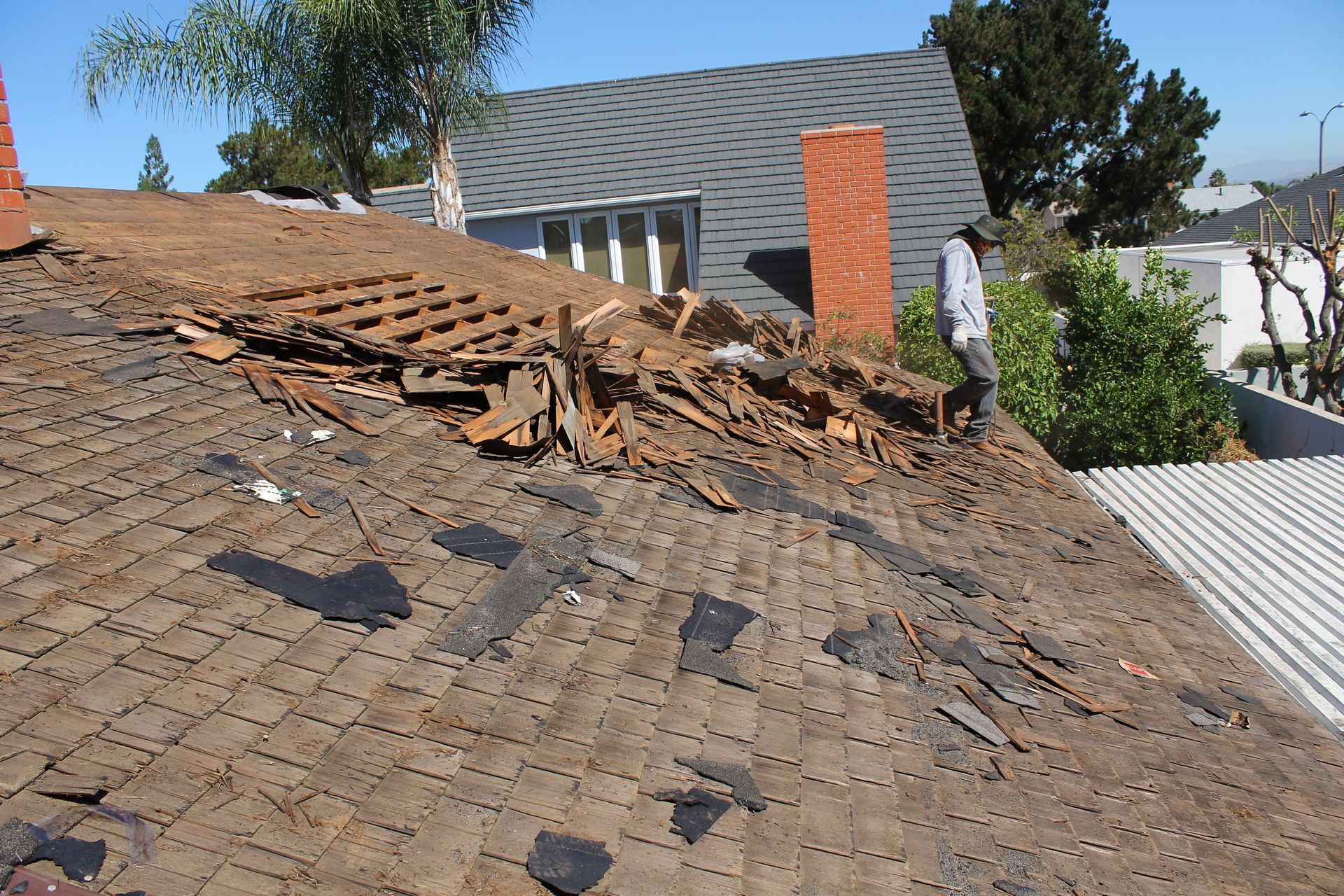
One of the most obvious signs that siding may need replacement is visible physical damage. Cracks, chips, holes, dents, and missing sections can develop over time due to weather exposure, impacts, or simple aging. While a small amount of isolated damage may be repairable, widespread deterioration often indicates that the siding is no longer providing the protection your home needs. Damaged siding creates entry points for moisture, insects, and debris, potentially leading to more serious issues beneath the surface.
It is important to inspect your siding regularly, especially after severe storms or extreme weather events. Even seemingly minor cracks can allow water to penetrate behind the siding, where it may damage insulation, sheathing, and structural framing. If multiple sections of siding show signs of wear or repeated repairs are becoming necessary, replacement may be more cost-effective than ongoing patchwork fixes.
Watching for Warping and Buckling
Siding should maintain a relatively straight and uniform appearance across the exterior of the home. If you begin noticing panels that appear warped, buckled, bowed, or uneven, it may indicate underlying problems. Moisture intrusion is a common cause of warping because trapped water can cause materials to expand, soften, or lose their shape. Excessive heat exposure and improper installation can also contribute to these issues.
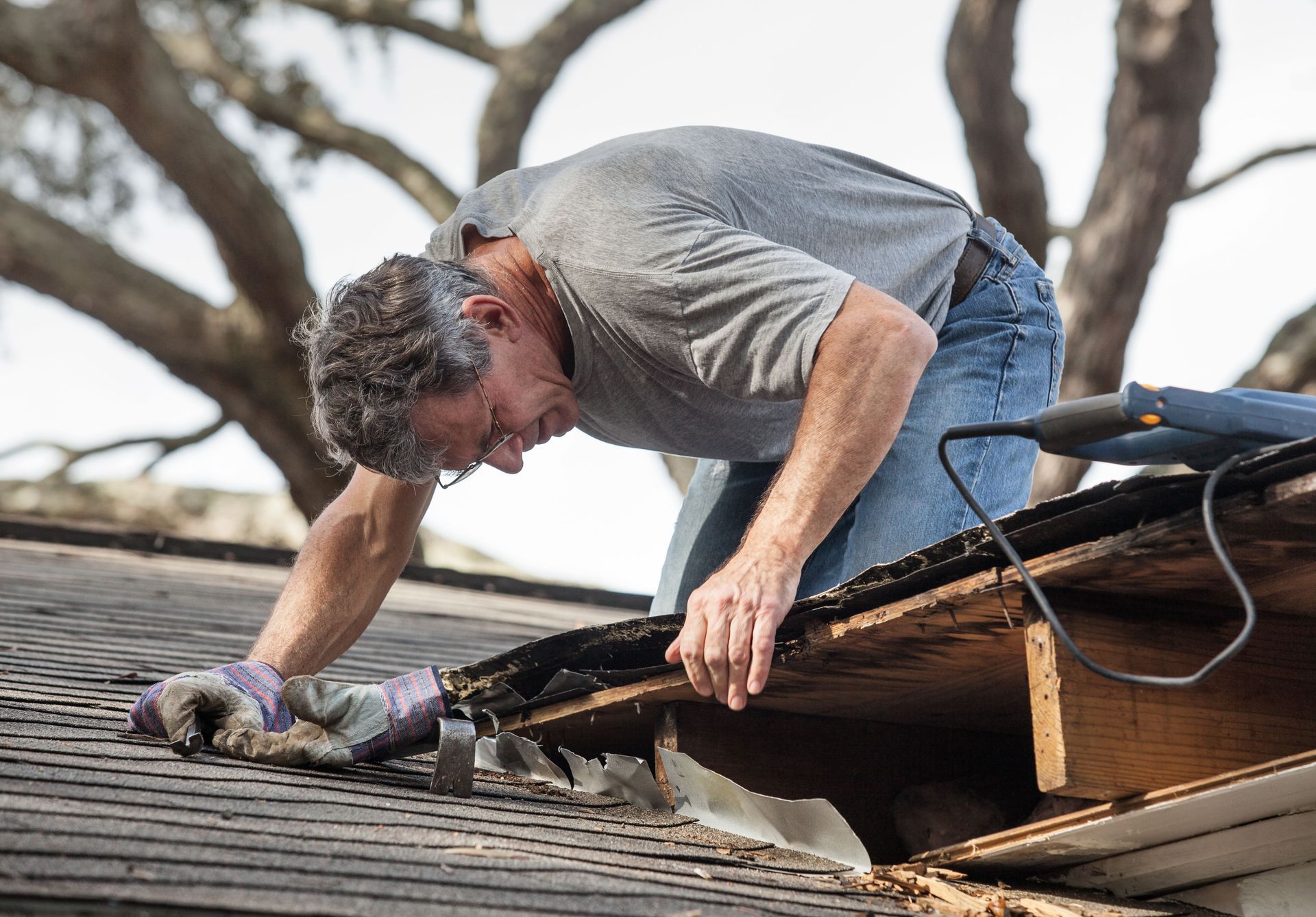
Warped siding is more than a cosmetic concern. Once siding begins pulling away from the home, gaps can form that allow additional moisture and pests to enter. Buckling may also suggest that the underlying structure has been compromised by water damage. A local roofer can inspect both the siding and the surrounding exterior systems to identify the source of the problem and determine whether replacement is necessary to restore proper protection.
Watching for Moisture Problems
Moisture is one of the most damaging forces affecting residential exteriors. Siding is designed to help prevent water from reaching vulnerable structural components, but aging or damaged siding may no longer perform effectively. Signs of moisture issues can include mold growth, mildew stains, soft spots, bubbling paint, peeling wallpaper inside the home, or visible water stains on exterior walls.
In many cases, moisture damage develops gradually and remains hidden until significant deterioration has occurred. Homeowners who notice persistent dampness, musty odors, or recurring mold issues should not ignore these warning signs. Water intrusion can lead to wood rot, insulation damage, and even structural concerns if left unaddressed. Replacing compromised siding can help eliminate pathways for moisture while improving the overall durability of the home’s exterior envelope.
Watching for Fading and Discoloration
Over time, exposure to sunlight, rain, and changing temperatures naturally affects the appearance of siding. While some fading is expected, significant discoloration may indicate that the material is nearing the end of its lifespan. Severely faded siding often loses more than just its color. It may also lose some of its weather-resistant properties, making it less effective at protecting the home. A local roofer can help assess whether fading is simply cosmetic or a sign that replacement should be considered.
Discoloration can also occur unevenly, creating a worn and outdated appearance that reduces curb appeal. In some cases, homeowners may find themselves repeatedly repainting or refinishing the siding to maintain its appearance. According to HomeGuide, the average return on investment for siding replacement ranges from 75% to 85%, depending on the type of siding installed. This makes siding replacement not only a protective upgrade but also a worthwhile investment in the property’s overall value.
Watching for Rising Energy Costs
Many homeowners are surprised to learn that deteriorating siding can contribute to higher utility bills. Siding works together with insulation and other exterior components to help regulate indoor temperatures. When siding becomes damaged, loose, or poorly sealed, air leaks can develop that allow conditioned air to escape and outdoor air to enter the home.
If you have noticed unexplained increases in heating and cooling costs, the condition of your siding may be part of the issue. Drafts near walls, uneven room temperatures, and an HVAC system that seems to run constantly can all signal exterior performance problems. A local roofer can evaluate whether siding deterioration is contributing to energy loss and recommend solutions that improve efficiency while enhancing comfort throughout the home.
Watching for Frequent Maintenance Needs
Every exterior material requires some level of maintenance, but there is a point at which ongoing repairs become impractical. If you find yourself constantly repainting, caulking, sealing, or replacing damaged sections of siding, it may be more economical to invest in a full replacement. Frequent maintenance often indicates that the material has reached the end of its useful life.
Modern siding products are designed to provide improved durability and lower maintenance requirements compared to many older materials. Replacing aging siding can reduce the time and money spent on continual upkeep while improving the overall appearance of the home. A local roofer can help you compare different siding options and choose materials that align with your maintenance preferences and long-term goals.
Watching for Pest and Insect Activity
Damaged siding can create opportunities for pests to enter and nest within your home’s exterior walls. Cracks, gaps, loose panels, and moisture-damaged sections provide ideal entry points for insects and other unwanted visitors. Termites, carpenter ants, and various wood-damaging pests are particularly attracted to areas where moisture has already weakened the structure.
If you notice increased pest activity around your home or discover evidence of insects behind siding panels, it is important to address the problem promptly. Replacing damaged siding not only improves the appearance of the home but also helps eliminate access points that pests use to invade the structure. This added protection can help prevent future infestations and costly repairs.
Watching for Declining Curb Appeal
Your home’s exterior creates an immediate impression on visitors, neighbors, and potential buyers. Siding that appears worn, outdated, damaged, or mismatched can significantly reduce curb appeal. Even if the siding is still providing some protection, its appearance may detract from the overall attractiveness of the property.
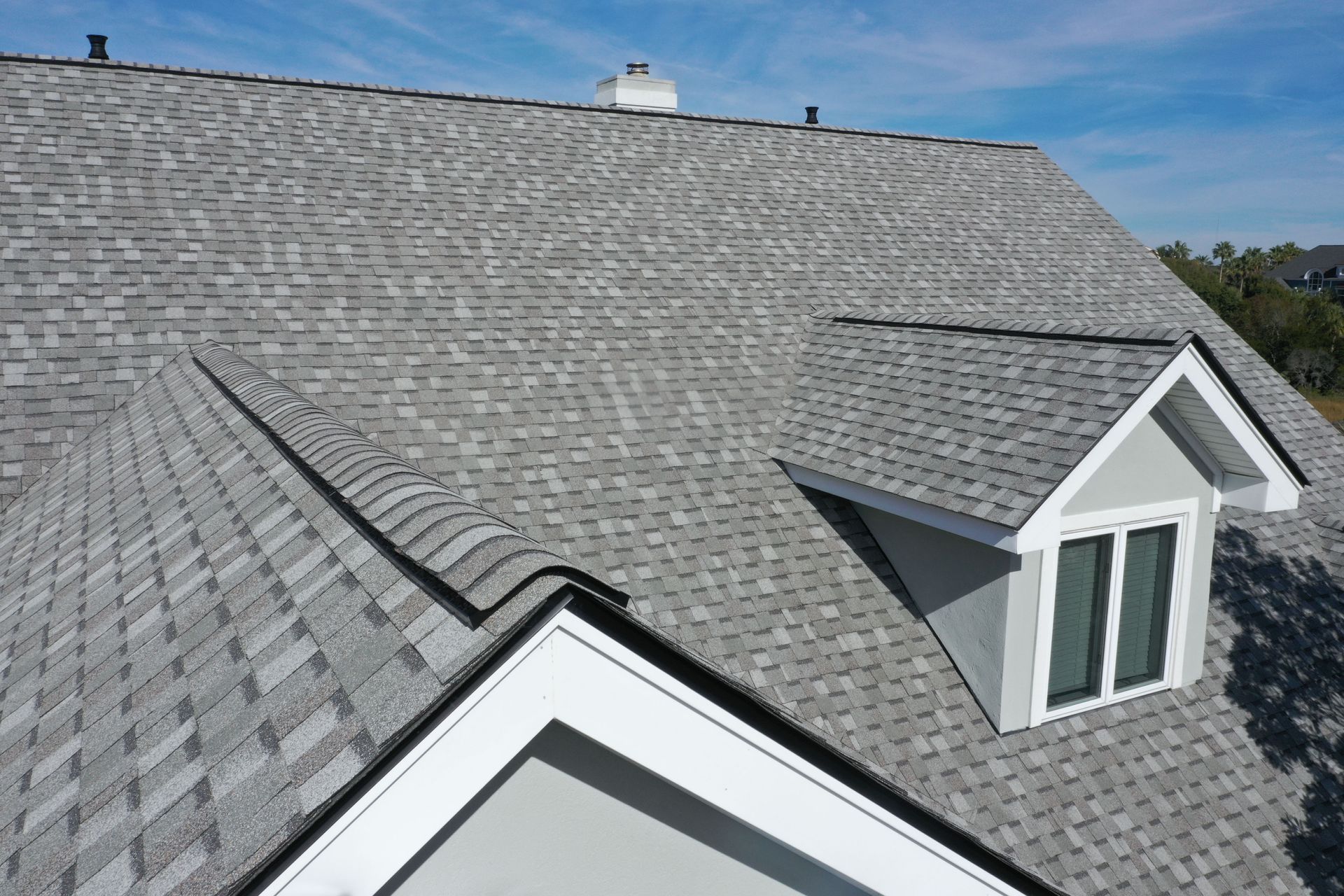
Replacing old siding offers an opportunity to update the look of your home while improving its performance. New colors, textures, and materials can transform the exterior and increase marketability. Many homeowners choose siding replacement as part of a broader exterior renovation project that may also include roofing, windows, and trim updates. A local roofer can help coordinate these improvements to create a cohesive and attractive appearance.
Your siding plays a vital role in protecting your home, maintaining energy efficiency, and preserving curb appeal. Visible damage, warping, moisture problems, fading, rising utility costs, frequent maintenance needs, pest activity, and declining appearance are all signs that replacement may be necessary. Addressing these issues early can help prevent more serious structural damage while improving comfort and value. If you suspect your siding may be reaching the end of its lifespan, do not wait for the problems to worsen. Contact a local roofer at Blue Lake Roofing & Remodeling, LLC to schedule an inspection and learn more about your siding replacement options.